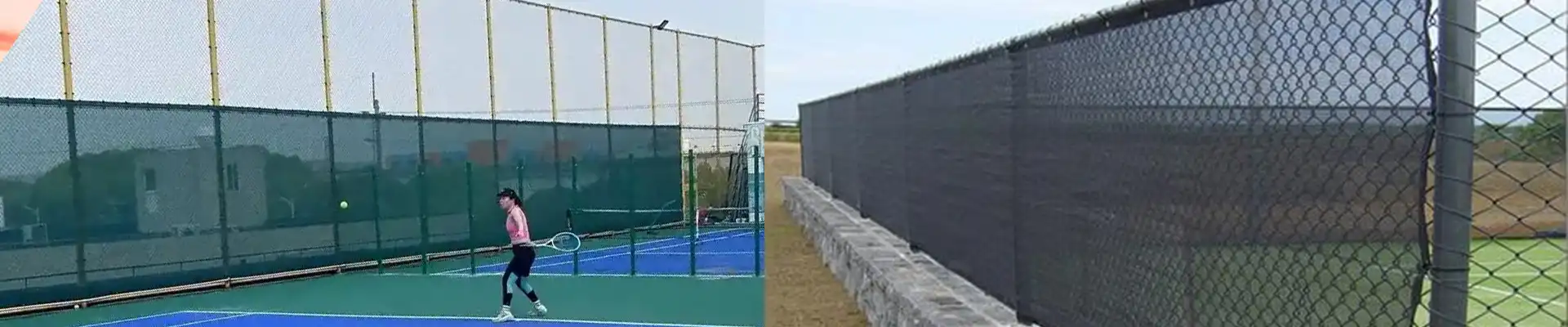
A sports screen, in simple terms, is a visual shield for playing areas. Its core purpose is to block outside views, providing a focused, private, and safe environment for training or competition.
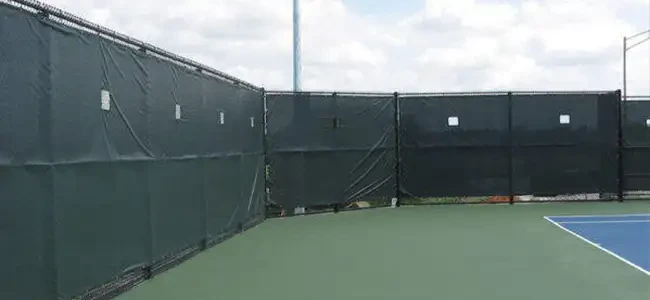
Types of Privacy Barriers
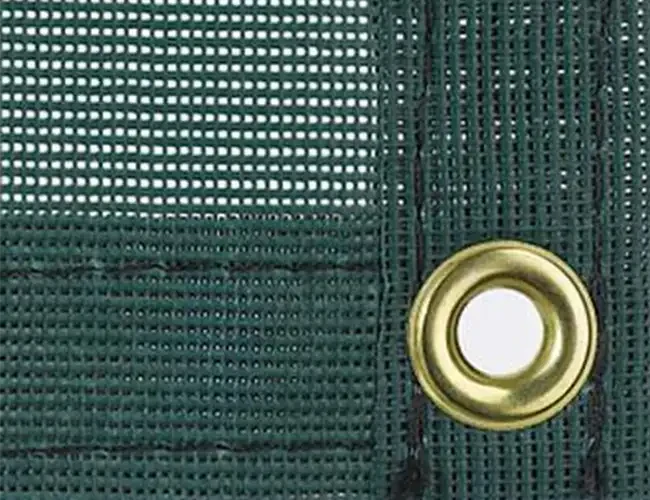
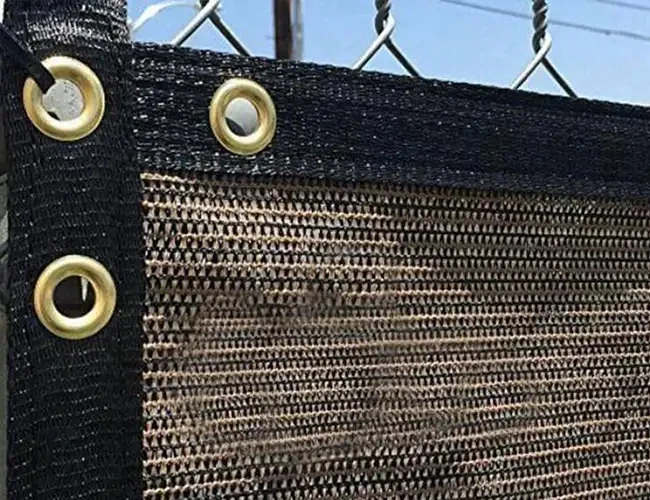
Outdoor perimeter screens are the most common type. They are usually hung on chain‑link fences and made of durable materials such as high‑density polyethylene (HDPE) or vinyl‑coated polyester, which resist wind and sunlight. The edges, corners, and grommets are reinforced for secure attachment.
Indoor divider curtains are used to subdivide large indoor arenas into separate zones. They are made of fabric or mesh materials and offer both visual and acoustic isolation.
Court privacy screens are often found on soccer fields or other pitches near residential areas. Their main function is to prevent balls from flying out and causing damage or injury, while also providing noise reduction, wind protection, and sun shading.
Portable screens are used for sports like table tennis. They are foldable, lightweight, and can be quickly set up as temporary partitions.
Key Functions and Benefits
Protecting tactical privacy is a major reason for top professional teams. They use tall barriers to prevent rival scouts from spying on their drills. For example, at the 2016 European Championship, the England team erected a screen as high as 2.7 metres, and Manchester United’s manager has also requested such enclosures. During the 2004 Athens Olympics, the judo venue used blue curtains to separate training areas.
Controlling environmental factors is another important role. Screens can effectively reduce wind speed, minimising interference with ball trajectories. They also block glare, offering a shading rate of 85 to 90 percent.
Enhancing safety and concentration is achieved by preventing errant balls from injuring bystanders and by isolating external noise and pedestrian movement.
Aesthetic and branding opportunities are also available, as screens can be customised with colours and high‑definition prints of team badges, sponsor logos, and more.
Application Scenarios
Professional and school sports facilities, including football, baseball, and tennis courts, use these screens extensively.
Community and private venues benefit greatly, especially those adjacent to residential neighbourhoods, where privacy and safety concerns are high.
Multi‑purpose gymnasiums use dividers to allow different activities to take place simultaneously in separate sections.
Temporary or special events, such as tournaments or exhibitions, often require quick‑install screening.
Installation and Maintenance
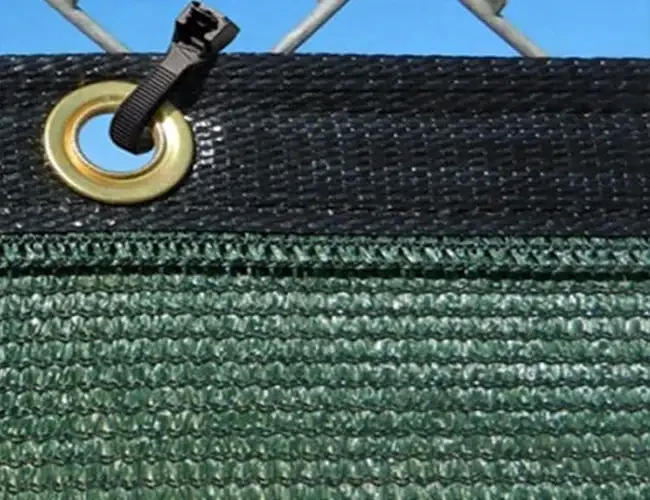
Installation is typically done by fixing the screen to fences using cable ties or attaching it with hooks such as carabiners. For large projects, custom lengths and heights are manufactured.
Maintenance is straightforward with quality products, as they are UV‑resistant and mould‑proof, so they do not fade or degrade easily. Some premium versions offer warranties of up to eight years.
Contact: +8615075482313
WhatsApp: +8615075482313
Email: yingruichina@gmail.com
Add: 100 meters west of Xiliangwa Village, Anping County, Hebei, China
We chat