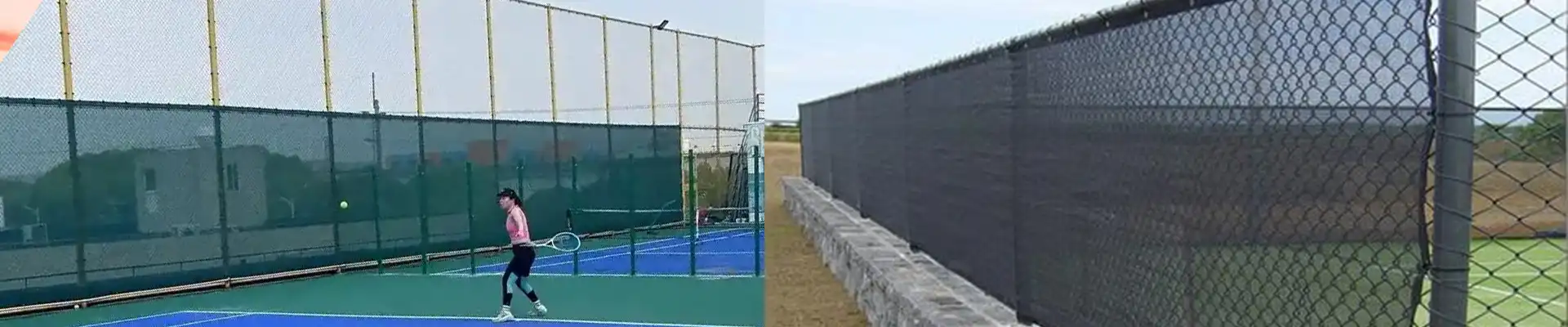
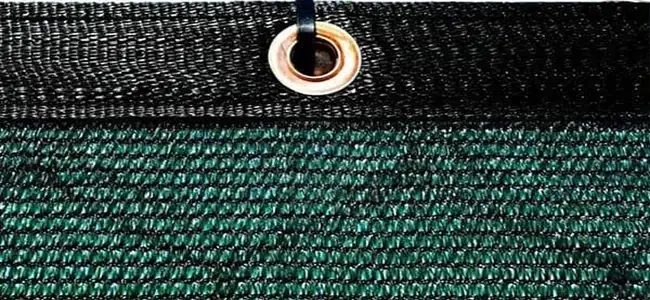
Barrier netting, also widely known as windbreak netting, privacy screening, or sports court fencing mesh, is a specialized enclosure system designed for outdoor athletic facilities and recreational areas. It is installed over standard metal perimeter fencing and uses a high-performance mesh to deliver two primary benefits: visual privacy and effective wind reduction. This combination transforms any open court into a more controlled, comfortable, and predictable playing environment.
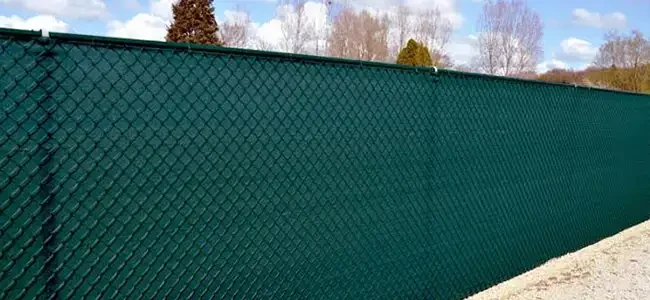
In terms of core functions, privacy protection is achieved through the dense weave of the netting, which creates an opaque or semi-opaque shield that blocks outside sightlines. Athletes can focus entirely on their game without distractions from spectators or passersby, making this product ideal for private clubs, schools, and residential courts. Wind reduction is equally critical; the netting slows incoming airflow and minimizes erratic ball movement caused by gusts, ensuring consistent trajectories for tennis serves, soccer passes, basketball shots, and baseball pitches. Field data indicates that installing barrier netting can lower weather-related match interruptions by up to 60 percent, allowing more scheduled playtime throughout the year. Beyond these two main advantages, the netting also offers additional protective benefits such as shielding against dust and airborne debris, reducing UV sun exposure with adjustable shading rates from 30 to 95 percent, and containing stray balls within the court to cut retrieval time and enhance safety for surrounding areas.
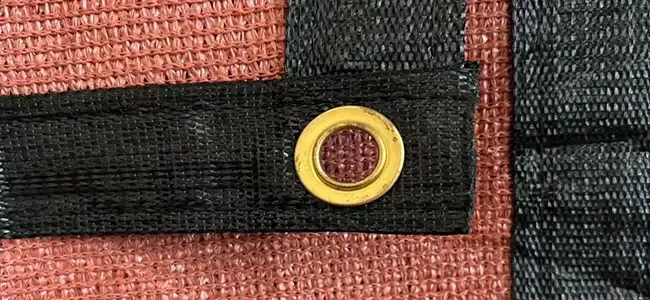
Regarding material and technical specifications, the vast majority of barrier netting products are manufactured from high-density polyethylene, or HDPE, which is chosen for its exceptional tensile strength, flexibility, and resistance to tearing. Premium versions often incorporate UV stabilizers to resist degradation from prolonged sunlight exposure, significantly extending the product's service life. The lightweight construction facilitates quick installation, seasonal removal, or repositioning without heavy machinery, and a variety of colors—including green, black, blue, and custom options—are available to match facility aesthetics or blend with natural surroundings.
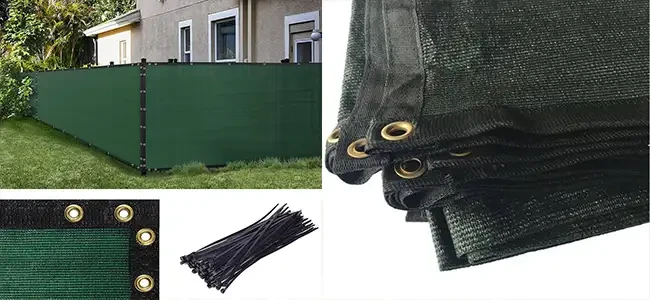
Barrier netting is universally compatible with a wide range of sports venues, including tennis courts, football and soccer fields, basketball courts, baseball and softball diamonds, and multi‑use recreation areas. It is also used in equestrian arenas, shooting ranges, and rooftop gardens where wind control and privacy are desired. This all‑in‑one covering solution addresses four critical court concerns—privacy, wind interference, dust, and glare—simultaneously. It not only elevates player satisfaction and performance but also protects facility investments by reducing maintenance costs and weather‑related cancellations. For facility managers, coaches, and homeowners seeking a professional‑grade upgrade, barrier netting is a practical, durable, and cost‑effective answer.
Whether you are outfitting a competitive sports complex or a backyard practice court, barrier netting delivers measurable improvements in playability, safety, and comfort. Its robust HDPE build, customizable shading, and easy handling make it the smart choice for any outdoor space that demands reliable environmental control. Optimized for search engines, this content focuses on key terms such as barrier netting, windbreak netting, sports court privacy screen, HDPE fence mesh, UV‑resistant court enclosure, and ball containment netting, ensuring maximum discoverability for your target audience.
Contact: +8615075482313
WhatsApp: +8615075482313
Email: yingruichina@gmail.com
Add: 100 meters west of Xiliangwa Village, Anping County, Hebei, China
We chat